logo - 2
logo - 2

Linguistics

Estonian profile

The Estonian language

The Estonian Language Classification Estonian (Eesti keel) is a member of the Uralic language family, specifically belonging to the Finnic branch alongside Finnish, Karelian, Veps, Livonian, and others. Within this subgroup, Estonian is most closely related to Finnish, though centuries of separate development and extensive contact with Indo-European languages have led to notable divergences. Estonian

The Estonian language Read More »

Esperanto

The Esperanto language

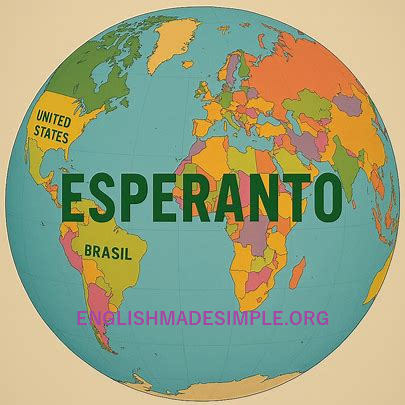
Esperanto Origins and Founder Esperanto is the most widely spoken constructed international auxiliary language in the world. It was created in the late 19th century by Ludwik Lejzer Zamenhof (1859–1917), a Polish-Jewish ophthalmologist from the multicultural city of Białystok (then part of the Russian Empire, now in Poland). Growing up in a region marked by

The Esperanto language Read More »

Bhutan

The Dzongkha language.

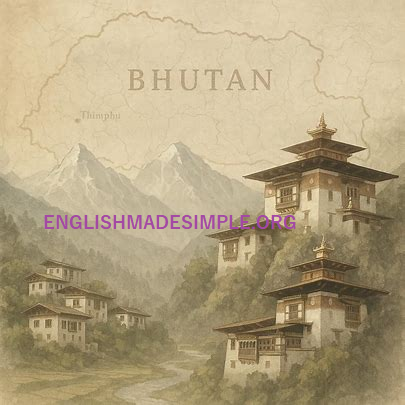
Dzongkha Language Dzongkha (རྫོང་ཁ་, rDzong-kha, literally “the language of the fortress”) is the national language of Bhutan and a member of the Tibeto-Burman branch of the Sino-Tibetan language family. It is primarily spoken in western Bhutan and by communities in southern Tibet and northeastern India. Dzongkha is closely related to Tibetan dialects, particularly the vernacular

The Dzongkha language. Read More »

Dutch

The Dutch language

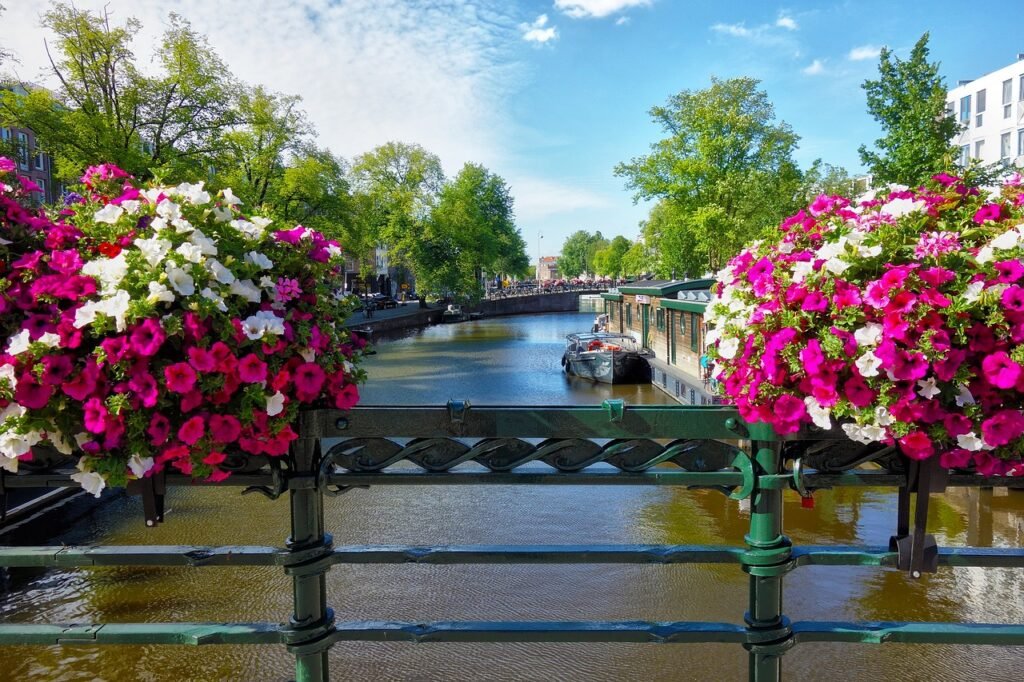
The Dutch Language Introduction: The Dutch language, also known as Nederlands, is a West Germanic language spoken by millions of people around the world. With its rich history, diverse dialects, and cultural significance, Dutch has evolved into a prominent language with a unique identity. This article provides an overview of the origins, history, development, similarities

The Dutch language Read More »

danish flag

The Danish language

The Danish language Introduction: The Danish language, spoken by the people of Denmark, Greenland, and the Faroe Islands, is a North Germanic language belonging to the East Scandinavian group. With its rich history and cultural significance, Danish has evolved into a distinct language with unique characteristics. This article explores the origins, development, dialects, literary works,

The Danish language Read More »

Croatia Independence Day 1200x834 1

The Croatian language

The Croatian Language Introduction: The Croatian language is a South Slavic language spoken primarily in Croatia, with significant communities in Bosnia and Herzegovina, Serbia, and other neighbouring countries. It holds a rich linguistic and cultural heritage, reflecting the historical development and influences it has undergone over the centuries. Origins and History: The origins of the

The Croatian language Read More »